Poets
Poets weave emotions with eloquent words
70 Poets
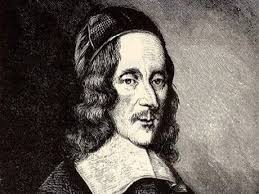
George Herbert
George Herbert, (born April 3, 1593, Montgomery Castle, Wales—died March 1, 1633, Bemerton, Wiltshire, Eng.), English religious poet, a major metaphysical poet, notable for the purity and effectiveness of his choice of words. A younger brother of Edward Herbert, 1st Baron Herbert of Cherbury, a notable secular metaphysical poet, George in 1610 sent his mother for New Year’s two sonnets on the theme that the love of God is a fitter subject for verse than the love of woman, a foreshadowing of his poetic and vocational bent.
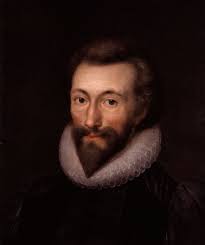
Henry Vaughan
Henry Vaughan, (born April 17, 1622, Llansantffraed, Breconshire, Wales—died April 23, 1695, Llansantffraed), Anglo-Welsh poet and mystic remarkable for the range and intensity of his spiritual intuitions. Educated at Oxford and studying law in London, Vaughan was recalled home in 1642 when the first Civil War broke out, and he remained there the rest of his life.
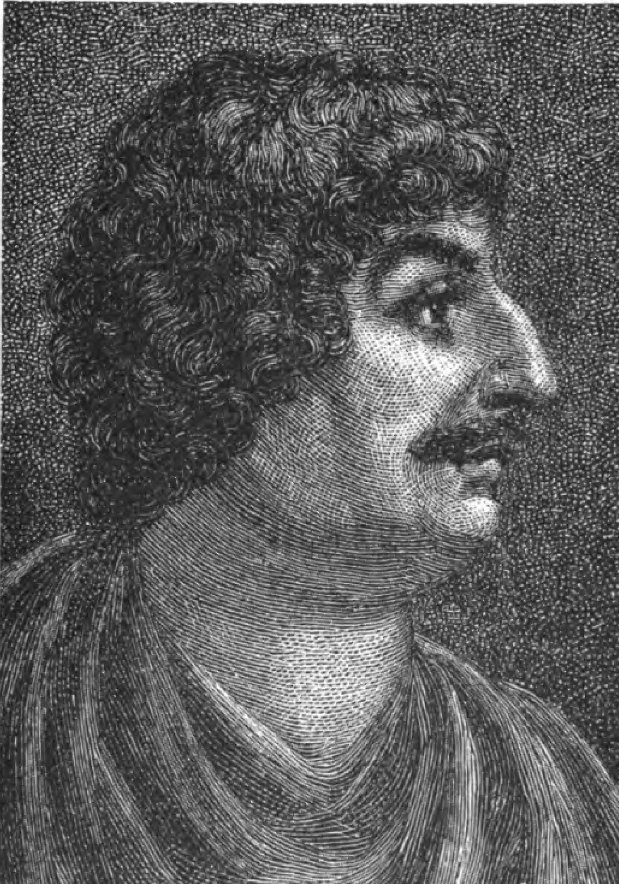
Robert Herrick
Robert Herrick, (baptized August 24, 1591, London, England—died October 1674, Dean Prior, Devonshire), English cleric and poet, the most original of the “sons of Ben [Jonson],” who revived the spirit of the ancient classic lyric. He is best remembered for the line “Gather ye rosebuds while ye may,” and he is counted among the Cavalier poets. However, having refused to subscribe to The Solemn League and Covenant, he was ejected from Devonshire in 1647. He then returned to London publishing his religious poems Noble Numbers (1647), and Hesperides (1648). He was distinguished as a lyric poet, and some of his love songs, for example, 'To Anthea' and 'Gather Ye Rose-buds' are considered exceptional . In 1660 he was reinstated at Dean Prior where he lived for the remainder of his life. He wrote no more poems after 1648, he died in 1674 and was buried in an unmarked grave in the churchyard at Dean Prior.
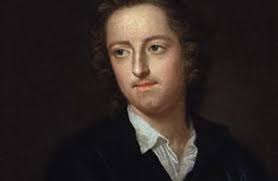
Thomas Gray
Thomas Gray (born Dec. 26, 1716, London—died July 30, 1771, Cambridge, Cambridgeshire, Eng.) English poet whose “An Elegy Written in a Country Church Yard” is one of the best known of English lyric poems. Although his literary output was slight, he was the dominant poetic figure in the mid-18th century and a precursor of the Romantic movement.
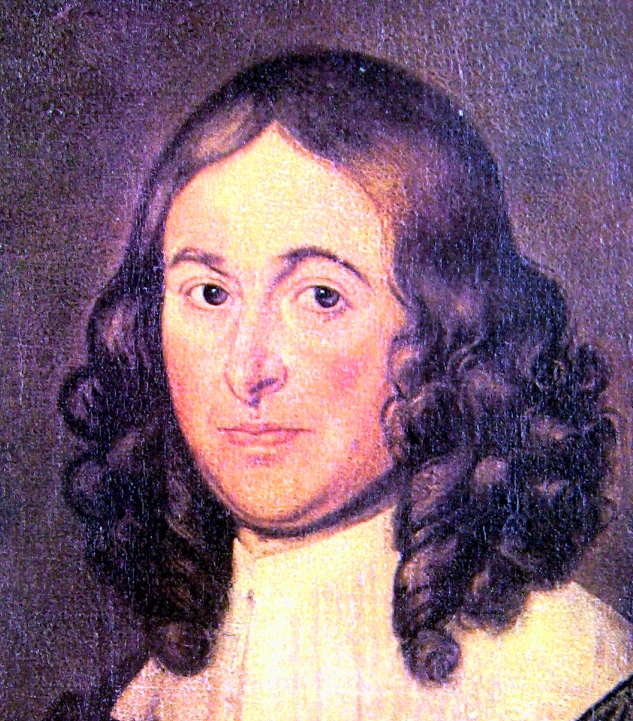
Thomas Nashe
Thomas Nashe, (born 1567, Lowestoft, Suffolk, Eng.—died c. 1601, Yarmouth, Norfolk?), pamphleteer, poet, dramatist, and author of The Unfortunate Traveller; or, The Life of Jacke Wilton (1594), the first picaresque novel in English. Nashe was educated at the University of Cambridge, and about 1588 he went to London, where he became associated with Robert Greene and other professional writers. In 1589 he wrote The Anatomie of Absurditie and the preface to Greene’s Menaphon. Both works are bold, opinionated surveys of the contemporary state of writing; occasionally obscure, they are euphuistic in style and range freely over a great variety of topics.
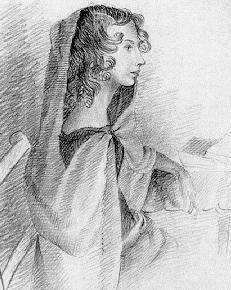
Anne Brontë
Anne Brontë, (born Jan. 17, 1820, Thornton, Yorkshire, Eng.—died May 28, 1849, Scarborough, Yorkshire), English poet and novelist, sister of Charlotte and Emily Brontë and author of Agnes Grey (1847) and The Tenant of Wildfell Hall (1848).
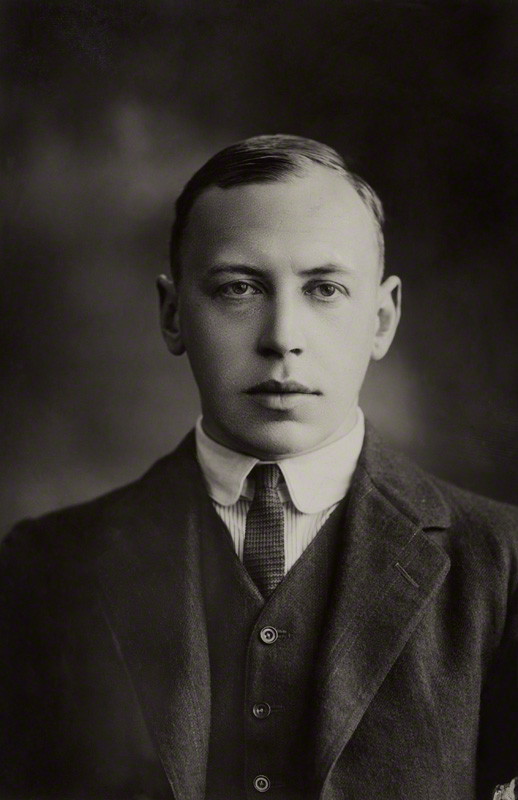
Alfred Noyes
Alfred Noyes, (born Sept. 16, 1880, Wolverhampton, Staffordshire, Eng.—died June 28, 1958, Isle of Wight), English poet, a traditionalist remembered chiefly for his lyrical verse. Noyes’ first volume of poems, The Loom of Years (1902), published while he was still at the University of Oxford, was followed by others that showed patriotic fervor and a love for the sea. He taught modern English literature at Princeton University in the United States from 1914 to 1923. Of Noyes’s later works, the most notable is the epic trilogy The Torch-Bearers (1922–30), which took as its theme the progress of science through the ages. His autobiography, Two Worlds for Memory, appeared in 1953. Noyes married Garnett Daniels in 1907, and they had three children. His increasing popularity allowed the family to live off royalty checks. In 1914, Noyes accepted a teaching position at Princeton University, where he taught English Literature until 1923. He was a noted critic of modernist writers, particularly James Joyce. Likewise, his work at this time was criticized by some for its refusal to embrace the modernist movement. After the death of his wife, Garnett in 1926, Noyes converted to Roman Catholicism and married his second wife, Mary Angela Mayne Weld-Blundell. In 1929, the family moved to Lisle Combe, St Lawrence, Isle of Wight where Noyes continued to write essays and poems, culminating in the collection, Orchard's Bay (1939). Alfred Noyes died on June 25, 1958, and was buried on the Isle of Wight.
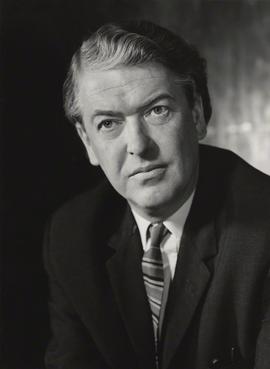
Kingsley Amis
Kingsley Amis, (born April 16, 1922, London, England—died October 22, 1995, London), novelist, poet, critic, and teacher who created in his first novel, Lucky Jim, a comic figure that became a household word in Great Britain in the 1950s. Amis was educated at the City of London School and at St. John’s College, Oxford (B.A., 1949). His education was interrupted during World War II by his service as a lieutenant in the Royal Corps of Signals. From 1949 to 1961 he taught at universities in Wales, England, and the United States.
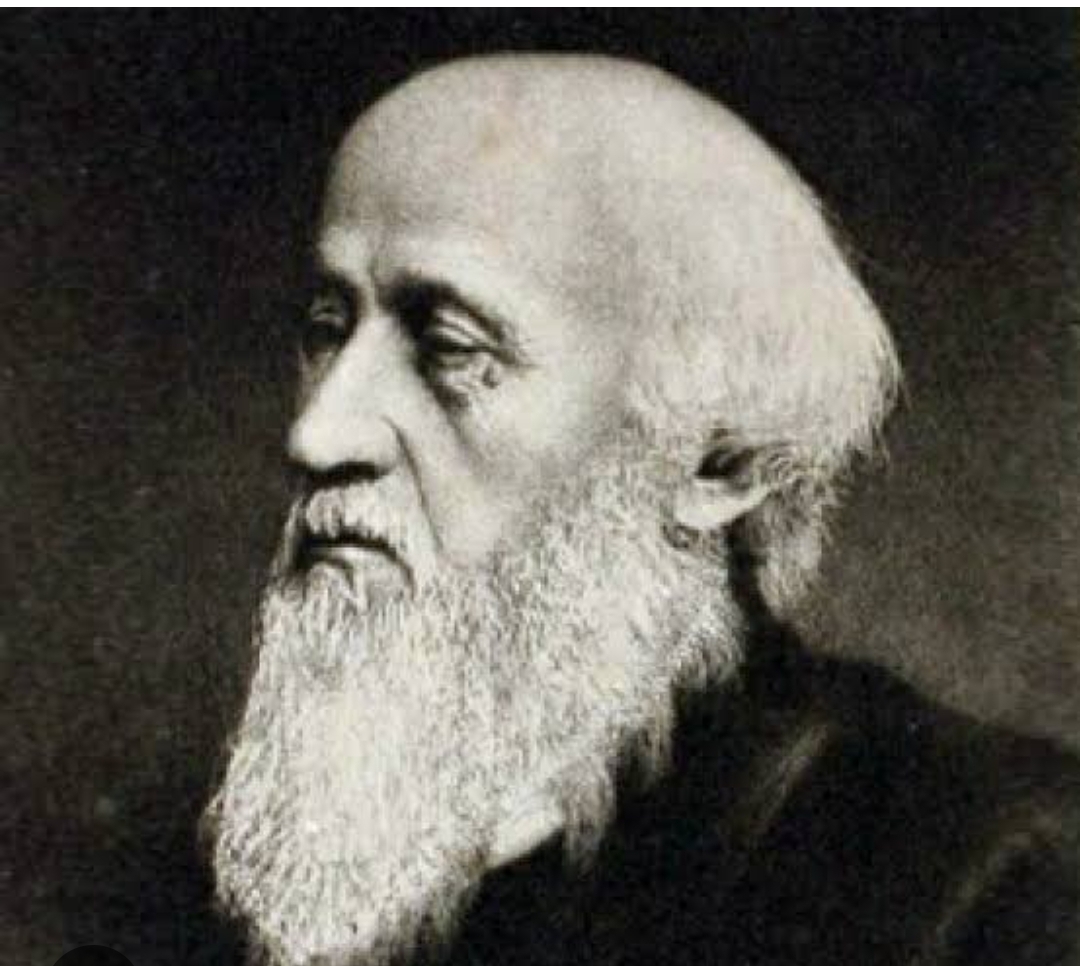
William Barnes
William Barnes, (born Feb. 22, 1801, Bagber, near Sturminster Newton, Dorsetshire, Eng.—died Oct. 7, 1886, Winterbourne Came, Dorsetshire), English dialect poet whose work gives a vivid picture of the life and labour of rural southwestern England and includes some moving expressions of loss and grief, such as “The Wife A-Lost” and “Woak Hill.” He was also a gifted philologist, and his linguistic theories as well as his poetry influenced two major writers, Thomas Hardy and Gerard Manley Hopkins.
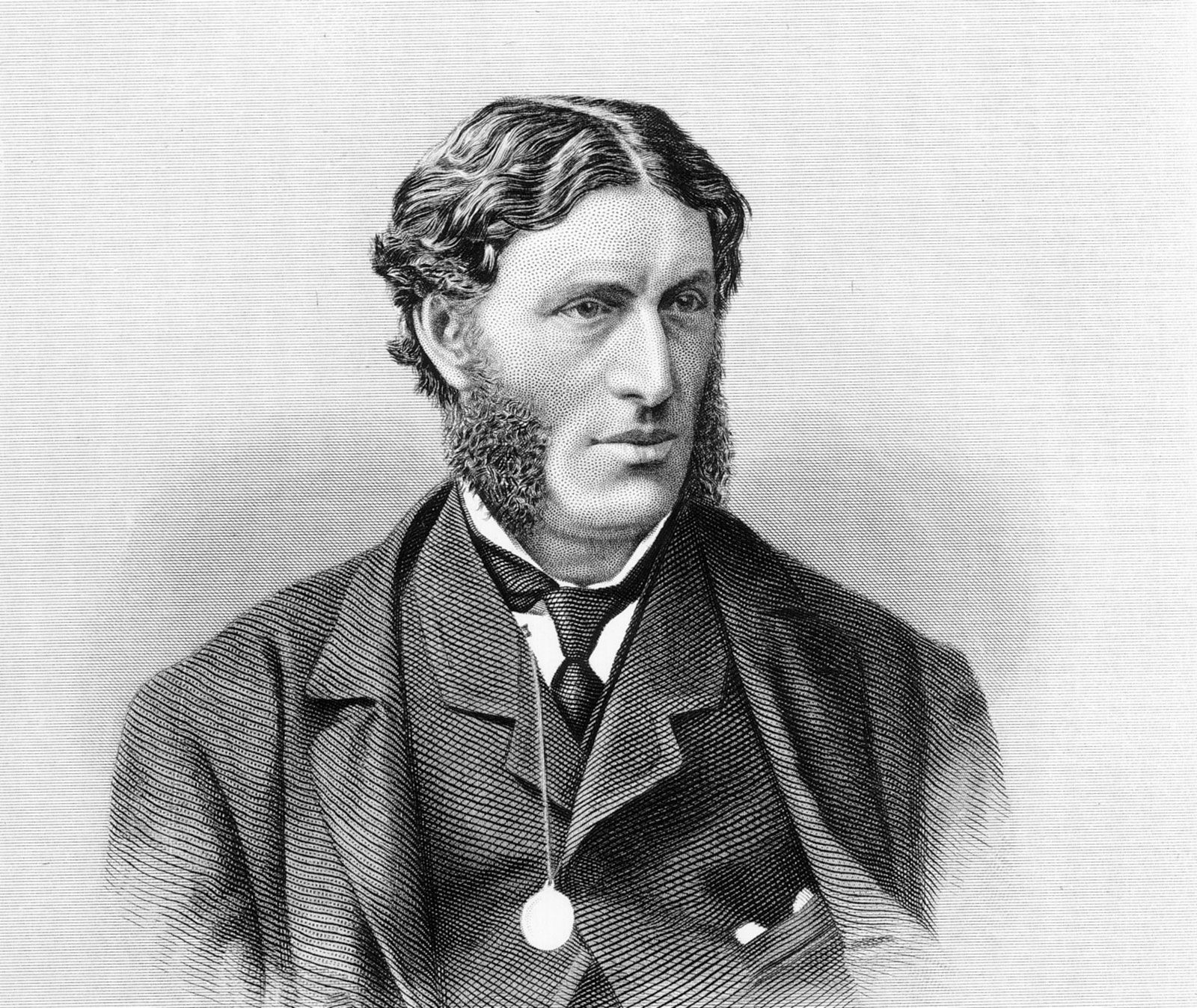
Matthew Arnold
Matthew Arnold (born December 24, 1822, Laleham, Middlesex, England—died April 15, 1888, Liverpool) English Victorian poet and literary and social critic, noted especially for his classical attacks on the contemporary tastes and manners of the “Barbarians” (the aristocracy), the “Philistines” (the commercial middle class), and the “Populace.” He became the apostle of “culture” in such works as Culture and Anarchy (1869). His literary career -- leaving out the two prize poems -- had begun in 1849 with the publication of The Strayed Reveller and Other Poems by A., which attracted little notice -- although it contained perhaps Arnold's most purely poetical poem "The Forsaken Merman" -- and was soon withdrawn. Empedocles on Etna and Other Poems (among them "Tristram and Iseult"), published in 1852, had a similar fate. In his poetry he derived not only the subject matter of his narrative poems from various traditional or literary sources but even much of the romantic melancholy of his earlier poems from Senancour's Obermann. His greatest defects as a poet stem from his lack of ear and his frequent failure to distinguish between poetry and prose. His significant if curious estimate of his own poems in 1869 was that they represented "on the whole, the main movement of mind of the last quarter of a century."
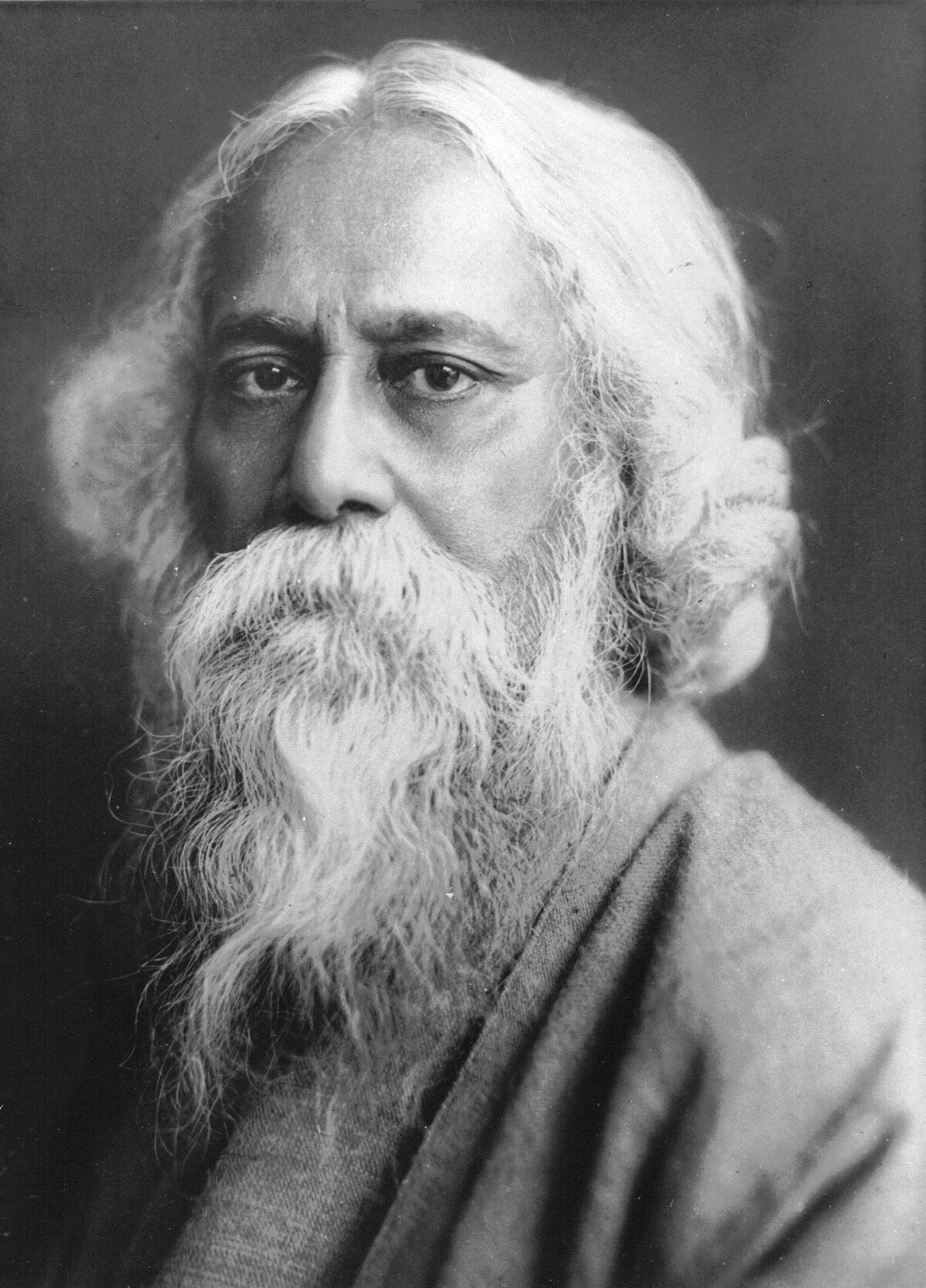
Rabindranath Tagore
Rabindranath Tagore (born May 7, 1861, Calcutta [now Kolkata], India—died August 7, 1941, Calcutta) Bengali poet, short-story writer, song composer, playwright, essayist, and painter who introduced new prose and verse forms and the use of colloquial language into Bengali literature, thereby freeing it from traditional models based on classical Sanskrit. He was highly influential in introducing Indian culture to the West and vice versa, and he is generally regarded as the outstanding creative artist of early 20th-century India. In 1913 he became the first non-European to receive the Nobel Prize for Literature.
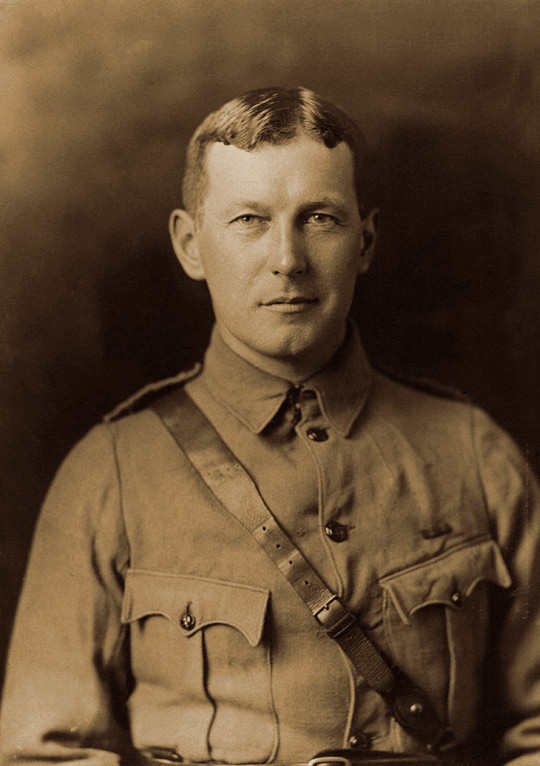
John McCrae
John McCrae born in Guelph, Ontario, Canadian poet, soldier, and physician John McCrae earned his undergraduate and medical degrees at the University of Toronto, where he received the Gold Medal. McCrae’s well-known poem “In Flanders Fields” memorializes the April 1915 battle in Belgium’s Ypres salient. For 17 days, McCrae tended those injured in the battle. January 28, 1918, at the age of 45. McCrae was buried with full military honors in Wimereux Cemetery near Boulogne, France. His family home in Guelph is preserved as a museum, and the main street in Wimereux is now named Rue McCrae.